A nonprofit organization has come up with a seal of approval that only artisanal products could bear, requiring brands to prove that an item is truly “handcrafted.”
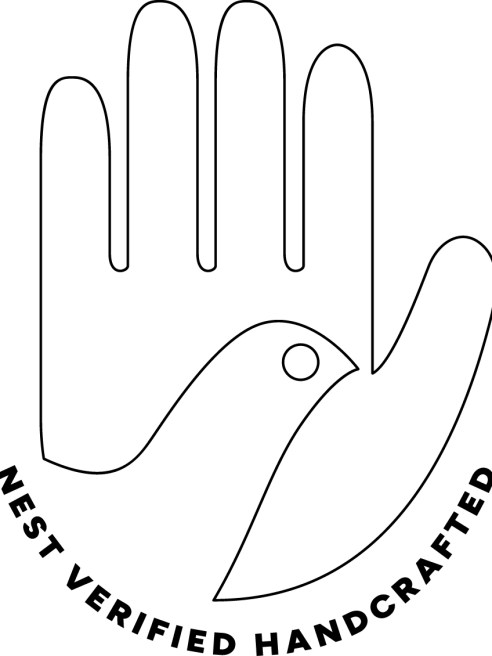
Nest, a nonprofit that supports the global craft sector, launched the Nest Verified Handcrafted mark this week. It hopes the move will shed more light on the careful artistry in handcrafted goods, not to mention the stories of the communities behind them.
Sara Otto, chief supply chain officer at Nest, said the term “handcrafted” gets thrown around so easily that the line between a beautifully manufactured and a handmade product becomes blurred.
Related Stories
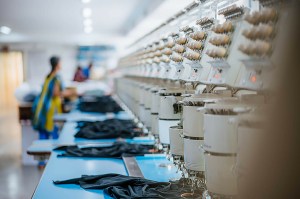
Take embroidery for example, Otto told Sourcing Journal—most consumers associate it with artisan quality, but an industrial machine can now do it with such a sophistication that even a trained eye would find the difference difficult to discern.
“A beautifully embroidered piece may look handcrafted, but without verification, there’s no way for a consumer to know whether a skilled artisan spent hours on it or whether it came off an automated production line,” she said.
But the mark goes beyond informing consumers. It’s also a way to protect the integrity of artisan traditions from having their stories erased by industrial machines that could do the same thing at scale and at speed. A handcrafted embroidery, she said, is more than just a single craft.
“From the intricate threadwork of particular regional traditions to styles passed down through generations within specific cultures, these variations carry real historical and cultural significance,” she said. “When those styles are replicated by machine, that rich heritage and unique origin are effectively erased. The product may look similar, but it’s been stripped of the story, the community, and the human skill behind it.”
The Nest mark is the first standard of its kind in the global handicraft industry, which, according to one market estimate, reached $427 billion last year.
The more power tools or machines aid or replace human skill, the less likely the process qualifies as handcrafted, Nest said in a separate statement.
The mark is open to everyone, including brands. To make it more inclusive, Otto said they are working on a funding model to cover validation costs for artisan businesses that need support. Products that currently bear the Nest Verified Handcrafted mark include home decor at Pottery Barn, West Elm, and other Williams-Sonoma, Inc. brands.
Nest made the announcement in a roundtable discussion with stakeholders on Tuesday, who, in turn, welcomed the development. Jennifer Gootman, global head of sustainability at Tory Burch, called it “an antidote to the commodification of craft.”
“Handcrafted really resonates because people are looking for products that feel more personal, more meaningful, more connected to the people and places behind them,” said Colette Najjar, internal communications manager for sustainability at Williams-Sonoma.
Handcrafted items are often subjected to the same expectation as mass produced low cost items, said Gabriel Finkelstein, who heads K. Dorfzaun, a company in Ecuador that makes handcrafted toquilla straw hats. He hopes this mark can help spell the difference. “There’s a lot of effort to produce one product,” he said.